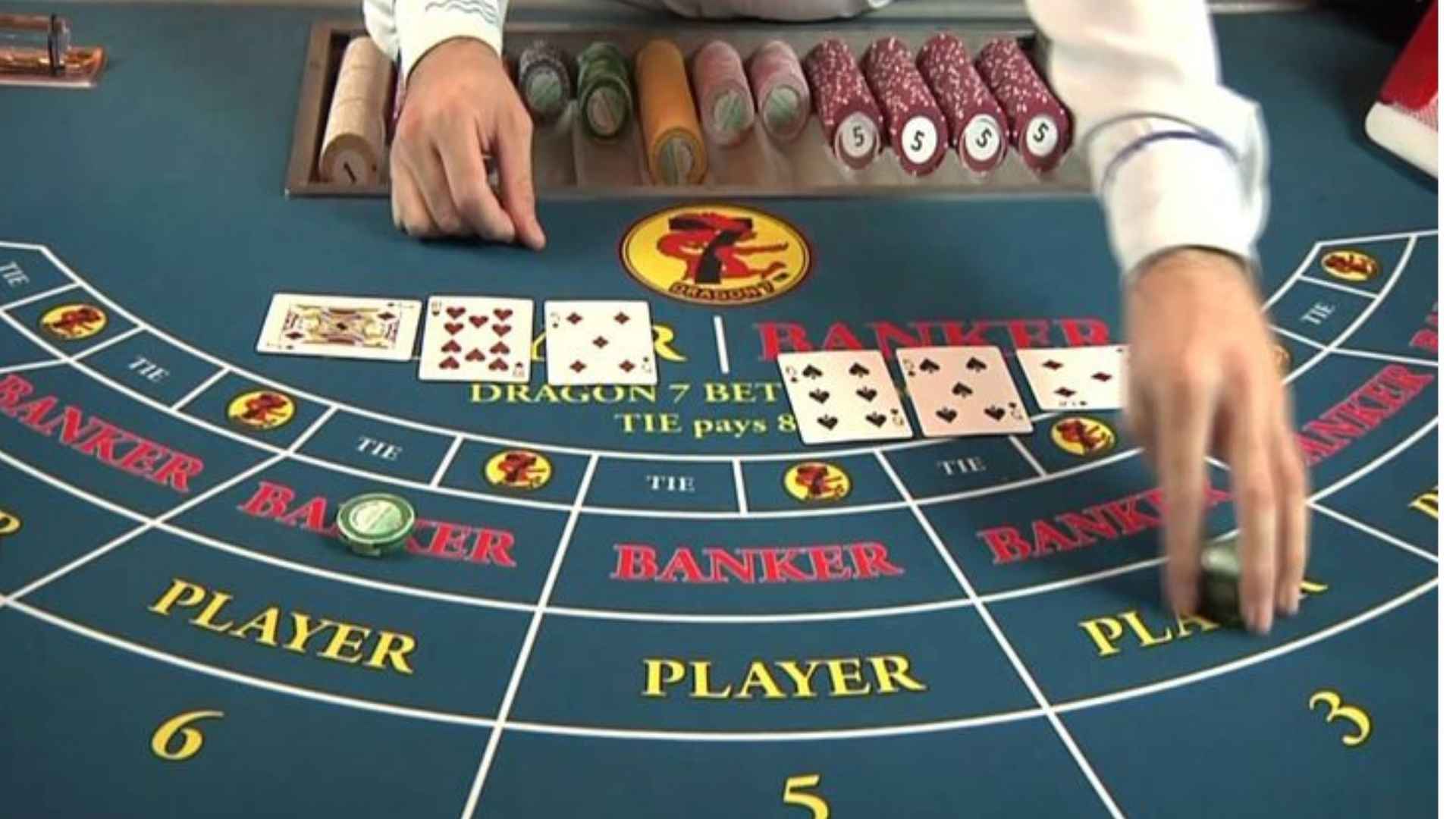
Designing an effective digital prize wheel requires a sophisticated blend of user interface aesthetics and structural psychology. While casual observers might only notice bright colors and a spinning motion, professional creators view the interface as a dynamic canvas for audience engagement. Balancing these creative choices ensures that the resulting digital layout feels fair, entertaining, and visually spectacular.
The Aesthetic Principles of Wheel Artistry
Color theory plays a monumental role in shaping the initial player perception when interacting with a digital interface. Designers often utilize contrasting neon gradients or classic carnival palettes to establish an atmosphere of high-energy anticipation. Each individual slice must remain distinct from its neighbor to help users naturally track movement during high-velocity spins.
Typography selection further refines the overarching thematic presentation, converting raw data labels into decorative design elements. Clear, bold lettering ensures readability even when the wheel achieves its maximum rotational velocity across mobile devices. Strategic framing elements, such as glowing outer bezels or integrated particle systems, elevate the digital unit into a premium focal point.
The Geometry of Digital Motion and Physics
The translation of physical inertia into smooth screen behavior is where programmatic engineering meets creative art. Authentic deceleration curves are carefully computed so that the final moments of a rotation generate genuine dramatic tension. If a wheel stops too abruptly, the participant feels disconnected from the illusion of organic mechanical motion.
Dynamic lighting adjustments and simulated drop-shadows create depth, making the flat interface appear multi-dimensional. Popular entertainment networks like m88 cá cược trực tuyến use specialized visual cues to emphasize active prize segments. These responsive design subtle touches enrich user interactions and make digital interfaces feel satisfyingly tactile.
Balancing Symbolism and Creative Reward Structures
Iconography choices within each segment quickly communicate the intrinsic value of prospective outcomes without relying on dense text block descriptors. Utilizing recognizable symbols like treasure chests, gold medals, or mystery boxes sparks instant emotional familiarity and desire. This visual shorthand keeps the gameplay moving swiftly while retaining high clarity regarding potential wins.
Furthermore, designers often vary the spatial dimensions of particular slices to creatively reflect asymmetric probability models. Larger areas might denote smaller frequent perks, while narrower segments clearly highlight rare grand awards to generate excitement. This artistic manipulation of scale accurately primes the subconscious mind for a diverse range of operational outcomes.
Future Horizons in Interactive Wheel Production
As rendering software tools grow more robust, developers are exploring advanced three-dimensional spatial environments for custom prize wheels. Integrating realistic particle physics allows virtual confetti or sparks to celebrate major milestones upon successful conclusions. This shift from static flat vectors to full spatial immersion guarantees sustained consumer interest across shifting digital landscapes.
Ultimately, the core success of any digital layout hinges upon harmonious collaboration between aesthetic beauty and underlying technical function. When visual assets perfectly complement realistic motion equations, casual actions transform into memorable promotional experiences. The creative side of design remains a continuous journey of innovation, redefining how audiences celebrate random victory.